The physical environment of a classroom is the “third teacher.” A well-designed, thoughtfully decorated space does more than just look inviting; it reduces visual clutter, fosters a sense of belonging, and actively supports the learning objectives of the students. Whether you are a new teacher looking to set up your first room or a veteran educator wanting to refresh your space, DIY decorations are the most cost-effective and personal way to transform a standard room into an inspiring hub for growth.

Here are 10 DIY classroom decoration ideas that focus on organization, student agency, and aesthetic cohesion.
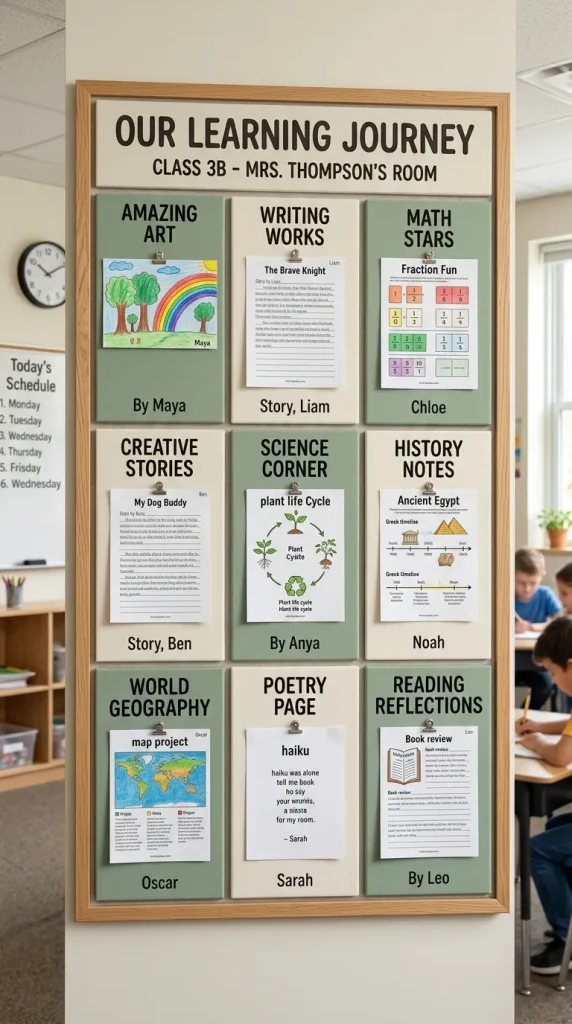
1. The “Interactive” Modular Bulletin Board
Move away from the static, unchanging bulletin board. Instead, create a modular system using cork panels or foam board wrapped in neutral fabric.
- The Idea: Use consistent borders and backing paper (stick to a palette of sage, cream, or navy) to keep the look clean. Use Velcro-backed frames for student work, allowing you to swap out assignments in seconds without needing a stapler or damaging the paper.
- Why it works: It turns the wall into a live display of student progress. When students see their work exhibited with care, it validates their effort and builds classroom community.
2. Fabric-Wrapped Storage Bins
Standard plastic storage bins can make a classroom feel chaotic. Transform them into seamless organizational tools by wrapping them in durable, coordinating fabric or heavy-duty contact paper.
- The Idea: Use a “color-coding” system—blue fabric for math materials, yellow for literacy, green for art. Label them with clear, professional-looking adhesive labels created on a computer.
- Why it works: It hides the “visual noise” of supplies, making the room feel larger, calmer, and more professional. It also helps students independently manage materials.

3. The Classroom “Data” Wall (Student Agency)
Instead of just displaying teacher-made posters, dedicate a section of the wall to student growth. Create a space where students can post their own “I can” statements or track their progress toward personal learning goals.
- The Idea: Use clothespins on a string or magnetic strips. Allow students to write their own goals on cardstock and hang them up themselves.
- Why it works: It shifts the classroom focus from “what the teacher says” to “what the student knows.” It builds meta-cognition and personal responsibility.

4. Custom-Made “Affirmation” Mirror
Self-esteem is the foundation of learning. Create a dedicated space for reflection by placing a large, shatterproof mirror in a low-traffic corner.
- The Idea: Use paint pens to write positive, growth-oriented phrases around the border of the mirror (e.g., “A problem solver lives here,” “Your potential is endless”).
- Why it works: It provides a moment for students to pause and check in with themselves. It’s a subtle but powerful way to build a culture of kindness and self-belief.

5. DIY Yarn-Wrapped “Tree of Knowledge”
Bring a touch of the outdoors inside with a structural “tree” built from cardboard tubes or large paper rolls.
- The Idea: Wrap the “trunk” in brown packing paper or yarn. Use the “branches” to display vocabulary words, historical timelines, or character development maps for a current novel.
- Why it works: It adds vertical interest to a space that often lacks it. It makes abstract concepts tangible and gives the room a unique, artistic center.

6. The “Silent” Signal Station
Classrooms can get noisy. Create a DIY visual cue system that is both decorative and functional.
- The Idea: Create a set of 3–5 large, stylized icons (using cardstock and laminate) that represent different noise levels or modes of work (e.g., “Independent Work,” “Collaborative Talk,” “Voices Off”). Mount these on a dedicated wooden board.
- Why it works: It reduces the need for teacher redirection. A simple glance at the board tells the student exactly what the expectation is, saving you from repeating yourself.

7. Fabric-Draped “Calm-Down” Corner
Every classroom needs a space for emotional regulation. This doesn’t have to be expensive; a simple corner draped with soft, sheer fabrics can work wonders.
- The Idea: Use a tension rod and some neutral, gauzy fabric to create a soft “ceiling” or partition. Add a soft floor mat, a few sensory items, and a poster with breathing exercises.
- Why it works: It provides a safe space for students to reset without disrupting the flow of the rest of the room. It models the idea that it is okay to need a break.

8. DIY “Word Wall” with Magnetic Paint
A word wall is an essential literacy tool, but it often becomes messy. Make it sleek by painting a specific section of the wall (or a large board) with magnetic, chalkboard-finish paint.
- The Idea: Use magnetic letter cards. This allows you to easily move words around, group them by prefix/suffix, or sort them by category.
- Why it works: It’s interactive. Words aren’t just stuck on a wall to be forgotten; they can be moved, studied, and manipulated.

9. Upcycled “Supply Station” Tins
Instead of buying expensive organizers, upcycle clean tin cans or glass jars.
- The Idea: Clean the containers thoroughly, paint them in a consistent, neutral color, and mount them to a wooden board or a magnetic wall.
- Why it works: It frees up precious desk space and looks infinitely more “curated” than a pile of loose pens. It keeps essential supplies within arm’s reach of students, reducing transitions.

10. The “Student Spotlight” Gallery
Instead of the traditional “student of the month,” create a “Living Biography” gallery.
- The Idea: Dedicate a space to highlighting student interests, hobbies, or community contributions rather than just academic grades. Use a template on your computer to create professional-looking “bio cards.”
- Why it works: It builds a culture of celebration. It tells every student that they are a valued member of the community, not just a set of test scores.

Designing for Success: Best Practices
When decorating your classroom, keep these three professional design principles in mind to avoid common pitfalls:
- The 20% Rule: Keep 20% of your wall space completely blank. This “negative space” is essential for reducing overstimulation and allowing the brain to rest.
- Color Harmony: Choose a color palette of 3–4 neutral colors (e.g., navy, grey, cream) and 1 “accent” color (e.g., mustard yellow). Stick to this strictly. Clashing colors create anxiety and reduce focus.
- Eye Level: Remember that your students spend most of their time sitting. Place the most important information, word walls, and student work at their eye level, not yours.
By shifting from “decorating” to “designing,” you create a classroom that works for you rather than against you. These DIY projects are about building a space where students feel safe, capable, and ready to learn.
