Japanese interior design is known for its simplicity, functionality, and calming aesthetic. When it comes to small rooms, Japanese decor offers some of the most effective and beautiful solutions to maximize space while maintaining a peaceful atmosphere. By combining minimalism, natural elements, and smart storage techniques, you can transform even the tiniest room into a stylish and serene retreat.

In this article, we’ll explore 10 Japanese small room decor ideas that are practical, elegant, and perfect for modern living.
1. Embrace Minimalism
The foundation of Japanese decor is minimalism. Instead of overcrowding your room with furniture and decor, focus on keeping only essential items. Clean spaces create a sense of calm and make small rooms feel larger.
Choose simple furniture with clean lines and avoid excessive decorations. Less truly is more in Japanese interiors.

2. Use Low Furniture
Japanese homes traditionally use low-height furniture like floor beds, low tables, and cushions. This creates more vertical space, making the room appear bigger and more open.
A futon mattress placed directly on the floor is a great option. Pair it with a low wooden table for an authentic Japanese look.

3. Incorporate Natural Materials
Nature plays a huge role in Japanese design. Use materials like wood, bamboo, linen, and paper to create a warm and organic feel.
Wooden flooring, bamboo decor items, and cotton fabrics can instantly make your room feel more natural and calming.

4. Add Shoji Screens
Shoji screens are traditional Japanese sliding doors made of wood and translucent paper. They are perfect for small rooms because they divide space without blocking light.
You can use them as room dividers or even as decorative wall panels to create a soft, diffused lighting effect.

5. Keep a Neutral Color Palette
Japanese interiors typically use neutral tones like white, beige, cream, soft grey, and earthy shades. These colors reflect light and make small spaces feel airy and open.
Avoid bold and bright colors. Instead, focus on calm and soothing tones to maintain a peaceful atmosphere.

6. Maximize Natural Light
Natural light is essential in Japanese decor. Keep windows open and avoid heavy curtains. Use sheer or light fabric curtains that allow sunlight to pass through.
The more natural light you have, the bigger and more welcoming your room will feel.

7. Create Smart Storage Solutions
In small Japanese rooms, storage is always well-organized and hidden. Use multi-functional furniture like storage beds, foldable tables, and built-in shelves.
Keep everything neatly arranged and avoid visible clutter. Storage boxes and baskets can help maintain a clean look.

8. Bring Nature Indoors
Adding plants is a key element of Japanese decor. Small indoor plants like bonsai, bamboo, or snake plants bring life and freshness into your room.
Even a single plant placed thoughtfully can make a big difference in the overall aesthetic.
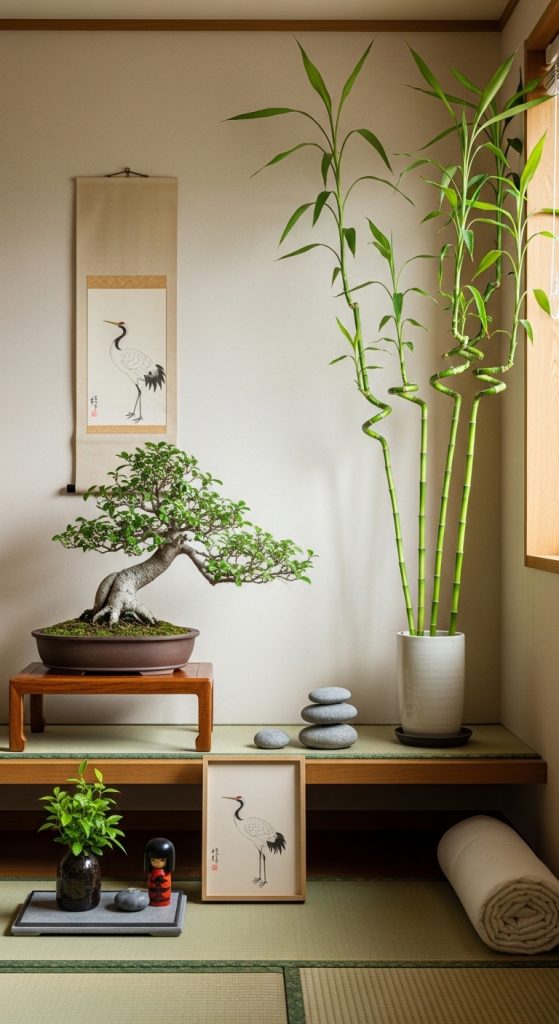
9. Use Tatami Mats
Tatami mats are traditional Japanese floor coverings made from natural straw. They add texture and comfort while maintaining a minimalist look.
You can use tatami mats as flooring or even as a base for your sleeping area to create an authentic Japanese vibe.

10. Add Simple Decorative Elements
Japanese decor focuses on meaningful and simple decorations. Instead of filling walls with many items, choose a few carefully selected pieces.
This could include:
- A minimalist wall art piece
- A small ceramic vase
- A traditional Japanese scroll
Keep decorations balanced and uncluttered for a clean aesthetic.

Conclusion
Japanese small room decor is all about simplicity, balance, and harmony. By focusing on minimalism, natural elements, and smart design choices, you can transform even the smallest space into a peaceful and functional sanctuary.
Whether it’s using low furniture, neutral colors, or incorporating natural light, each idea works together to create a calming environment that feels both spacious and stylish. Start small, keep things simple, and let your space breathe—just like traditional Japanese interiors.