In the modern professional landscape, the state of your workspace is often a direct reflection of your mental clarity. As remote work and digital-heavy workflows become the norm, the physical desk has transformed from a mere surface into a critical environment for sustained focus. The minimalist approach to desk organization is not simply about removing items; it is about intentionality. By introducing handmade, wood-based organizational tools, you elevate your workspace from a utilitarian station into a curated, serene sanctuary that promotes both efficiency and aesthetic grace.
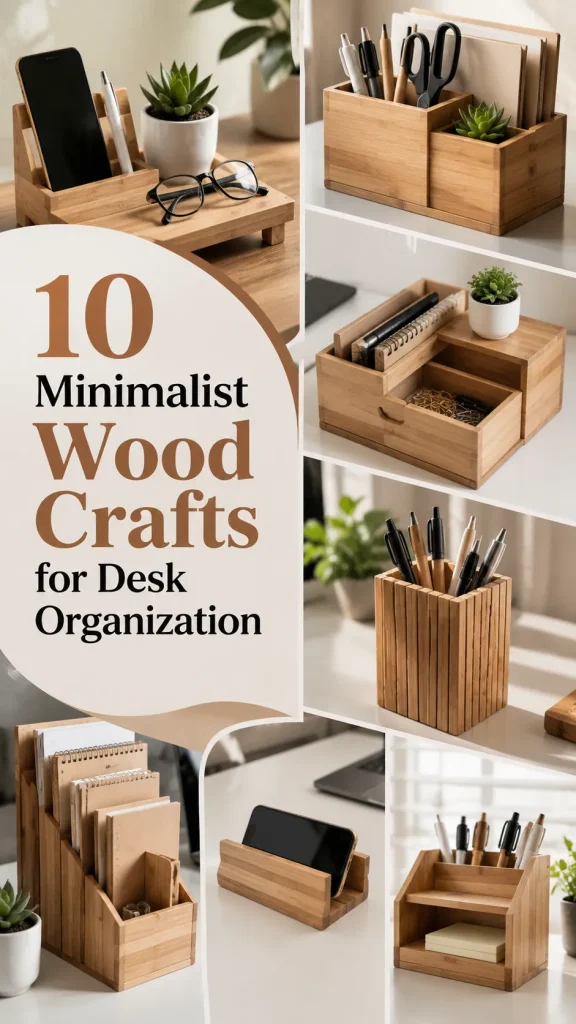
Wood, with its organic warmth and tactile grain, provides the perfect antidote to the cold, sterile feeling of plastic accessories and metal hardware. Whether you are a student, a creative, or an SEO strategist managing multi-platform workflows, these ten minimalist wood crafts provide functional solutions that bring order to your daily life.
1. The Modular Desk Organizer Tray
The foundation of a clear desk is a clear surface. Instead of purchasing generic plastic bins, craft a modular tray using high-quality hardwoods like walnut or oak.
- The Concept: Design a series of shallow, interlocking rectangular trays that can be rearranged to fit the changing needs of your daily tasks.
- The Impact: By segregating small items—paperclips, USB drives, and business cards—you eliminate the chaotic “junk drawer” effect. A modular design allows for evolution; as your workflow changes, so does your storage.

2. The Vertical Docking Station
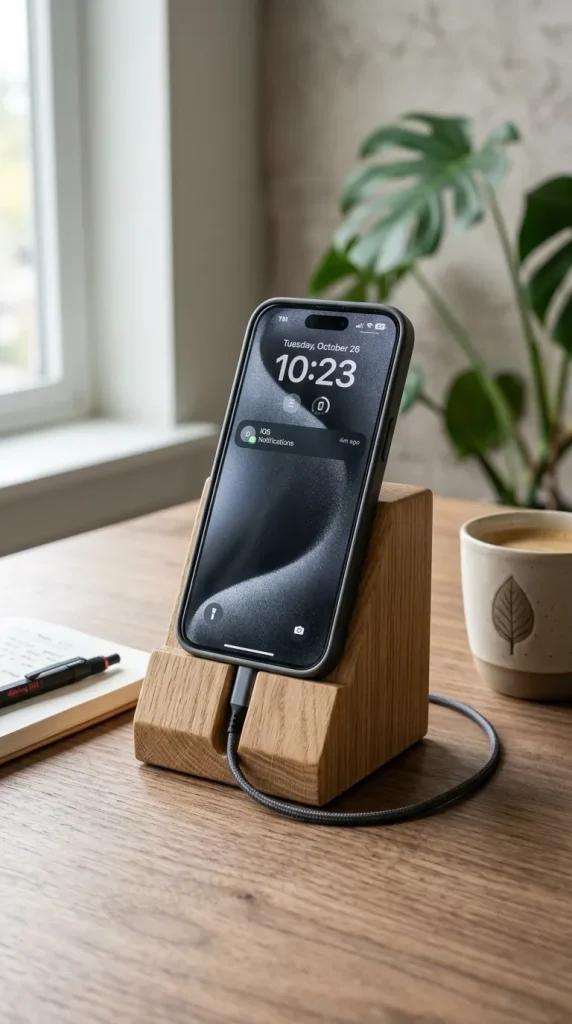
Vertical space is the most underutilized asset in desk organization. A vertical docking station for your phone and tablet frees up significant surface area.
- The Concept: Using a single block of dense, sanded wood, create a precise, angled groove that allows your devices to rest upright.
- The Impact: This elevates your technology to eye level, making it easier to view notifications without breaking your posture, while simultaneously clearing the physical footprint of your devices.
3. The Minimalist Headphone Stand
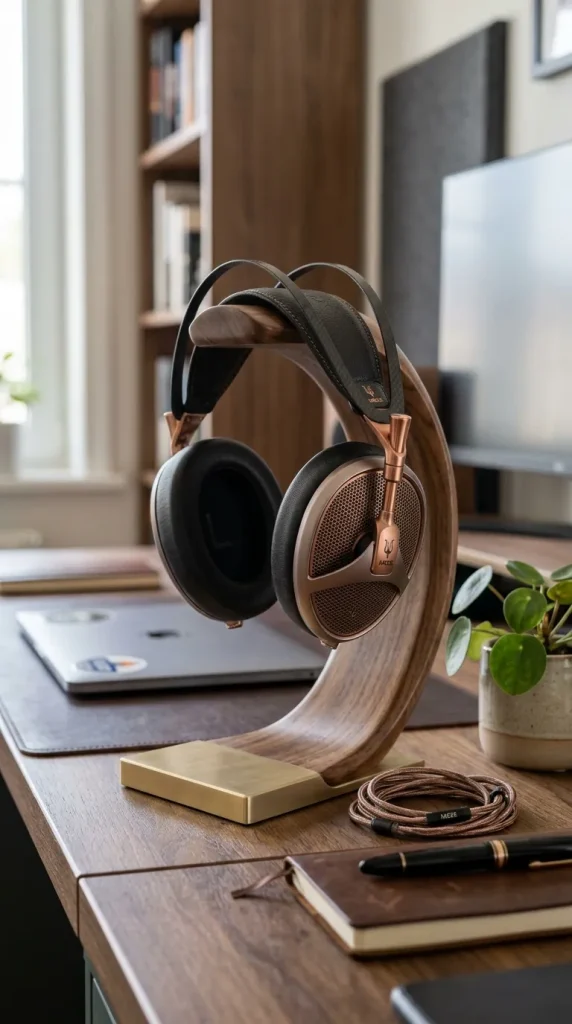
For the content creator or music lover, headphones often end up tangled on the desk or discarded on the floor. A dedicated wooden stand is the solution.
- The Concept: Create a sleek, “C” or “T” shaped stand using a weighted base and a curved, smooth-sanded top piece.
- The Impact: It treats your equipment as a feature rather than clutter. The natural wood aesthetic keeps your desk looking professional, even with bulky tech accessories present.
4. The Floating Monitor Riser
Ergonomics is the backbone of long-term productivity. A monitor riser brings your screen to eye level, preventing the dreaded “desk slouch.”
- The Concept: Construct a simple, bridge-like shelf using thick, solid planks. Ensure the space beneath the riser is high enough to slide your keyboard underneath when you need to clear the desk for writing or drawing.
- The Impact: It provides instant physical organization by giving your keyboard a “home” and creates an illusion of extra space by allowing you to store small items underneath the monitor.

5. The Tactile Pen and Stylus Holder
In an age of digital transformation, a good pen remains a crucial tool. A dedicated wooden holder prevents pens from migrating across your desk.
- The Concept: Drill a series of precision-spaced holes into a solid block of cedar or cherry. Vary the depth of the holes to accommodate different pen sizes and styluses.
- The Impact: It acts as a visual anchor. The repetition of the holes provides a satisfying, minimalist aesthetic that encourages you to return your tools to their designated spots.

6. The “Cable-Hidden” Charging Base
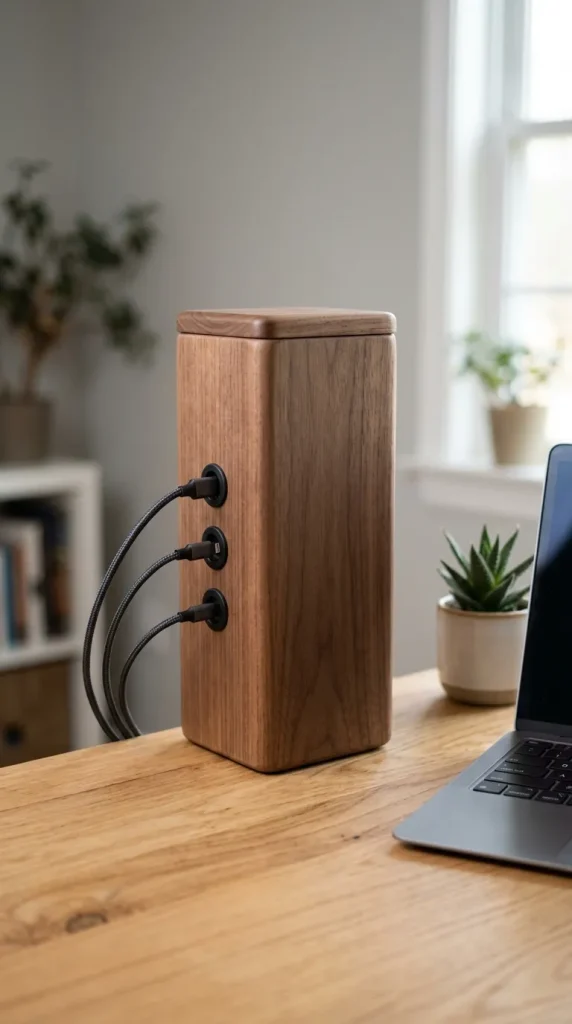
Nothing ruins the minimalist vibe of a workspace faster than a tangled mess of charging cables.
- The Concept: Build a small, rectangular wooden box with a lid. Inside, you can hide a small power strip. Drill neat, circular ports in the side of the box to thread your charging cables through.
- The Impact: It transforms a source of visual stress—the “cable nest”—into a clean, functional wooden box that hides the complexity of your tech setup.
7. The Slotted Document Sorter
For those who still manage physical notes, contracts, or reference materials, a document sorter is essential.
- The Concept: Create a “fan-style” sorter using thin, vertical wooden dividers attached to a heavy base. The wood should be sanded to a silk-like finish to prevent paper snags.
- The Impact: It keeps your active projects organized and accessible. The vertical orientation means you can see all your current tasks at a glance without having to dig through stacks.

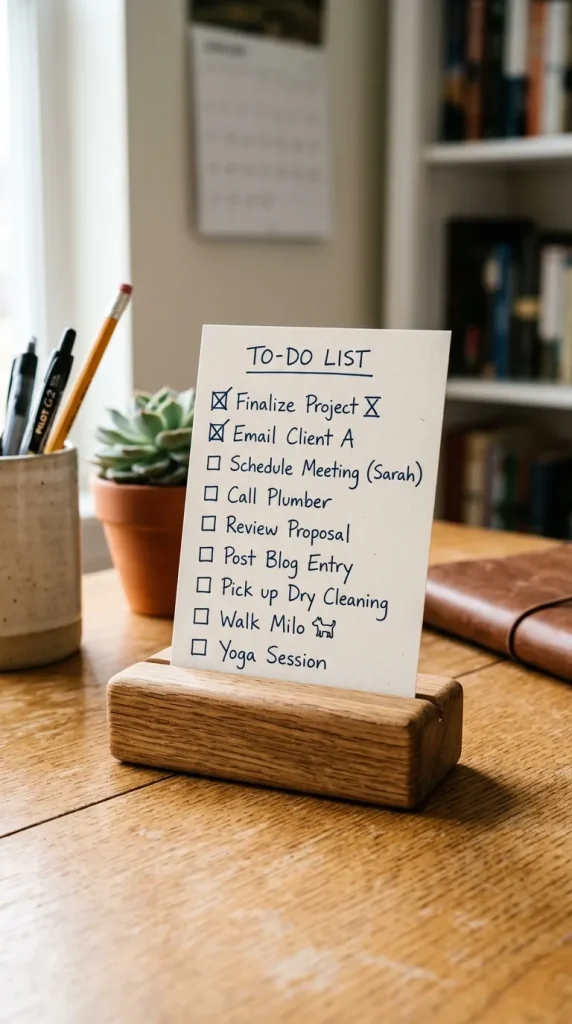
8. The Geometric Note Card Holder
A minimalist workspace thrives on quick access to physical reminders.
- The Concept: Craft a low-profile block with a single, slanted slit running across the top. This is designed to hold your “To-Do” lists or sticky notes upright.
- The Impact: It functions as a visual “command center” for your day. By placing your most important note in the holder, you keep your primary objective in your field of vision without cluttering the main workspace.
9. The Magnetic Wall-Mount Bar
If your desk surface is too small, take the organization to the wall.
- The Concept: Mount a narrow wooden strip with an integrated, strong magnet behind the wood veneer. Use this to hold metal items like scissors, paperclips, or small metal tools.
- The Impact: It creates “floating” storage. It is an ingenious way to keep frequently used tools within reach while leaving your primary workspace completely free.

10. The Curated “Gallery” Shelf
Finally, desk organization is not just about tools; it is about inspiration.
- The Concept: A singular, small shelf mounted to the wall above your monitor to hold one or two items—perhaps a small succulent or a framed mantra—that ground your day.
- The Impact: Minimalist organization is about quality over quantity. This shelf allows you to keep one or two meaningful items in view without contributing to the “knick-knack” clutter that distracts from deep work.

Designing for Longevity: The Philosophy of Wood Desk Craft
When embarking on these projects, consider the long-term relationship between you and your desk. Wood, unlike plastic, develops a patina over time—a record of your work and your presence. By choosing to craft these organizational tools yourself, you are not just building storage; you are building an ecosystem designed specifically for your professional needs.
To ensure your minimalist desk remains truly functional, follow these three rules:
- The Rule of Essentialism: Before building any organizer, ask yourself if the item it will hold is used daily. If the answer is no, do not build a place for it on your desk.
- Texture and Finish: Minimalist design relies heavily on the quality of the surface. Use oils like linseed or tung oil to finish your wood. These provide a natural, non-toxic, and matte finish that highlights the grain without the artificial shine of lacquers.
- Stability: Since these items will be handled daily, ensure all joints are reinforced and bases are weighted where necessary. A well-crafted tool should feel substantial and permanent.